Exclusive use
The only upgrade that gets cheaper the more of you there are
Exclusive use is sold as a unit rather than per person, so the cost per head falls as the party grows — and crosses over somewhere almost nobody bothers to calculate.
Four ways
Four ways to take the whole thing
One of them — the whole-camp buyout — is reachable at numbers that surprise people, and almost nobody asks about it.
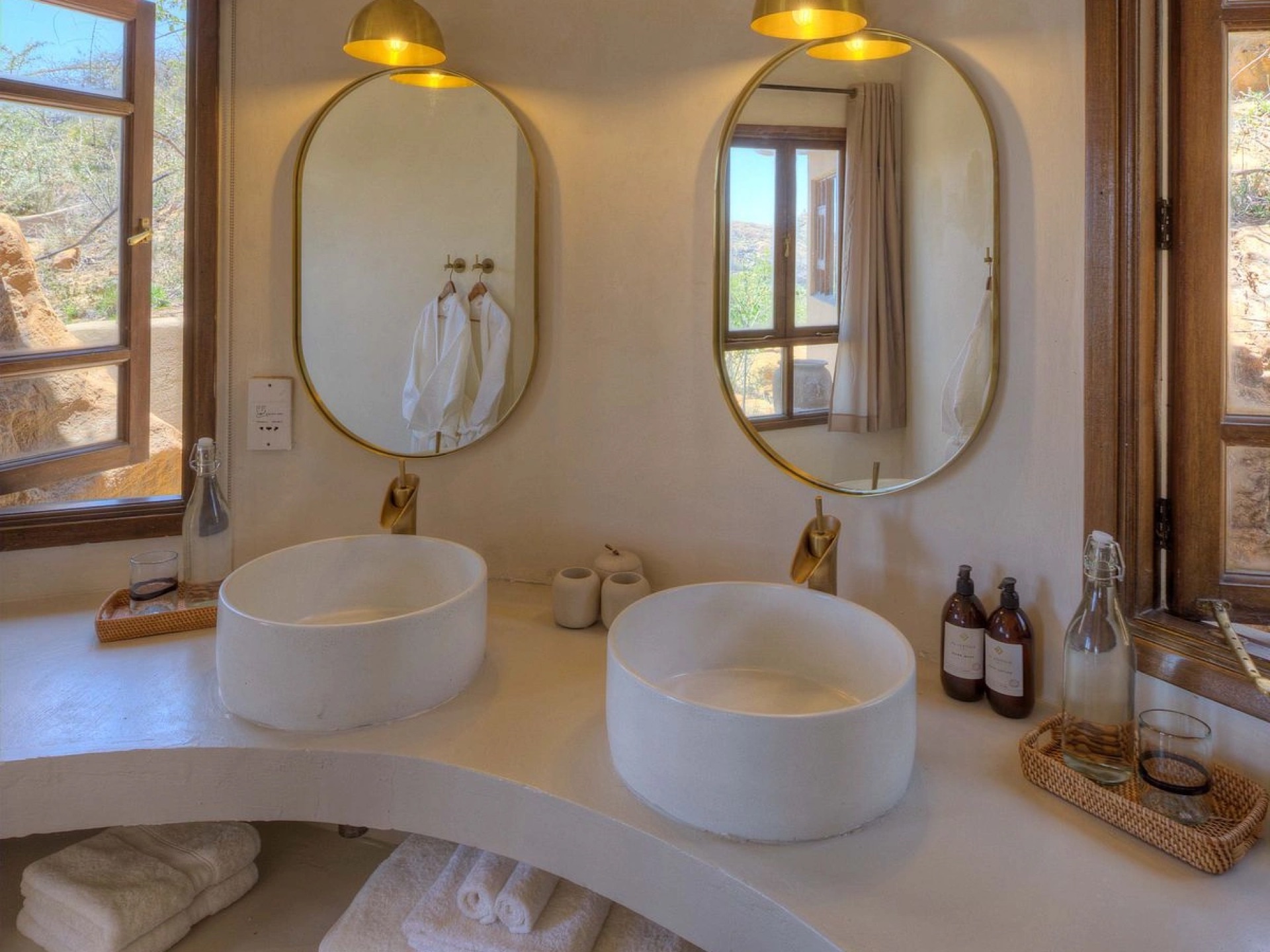
A private house
Four to twelve beds with its own staff, chef, guide and vehicle. Usually set apart from a main camp with its own land.
How it works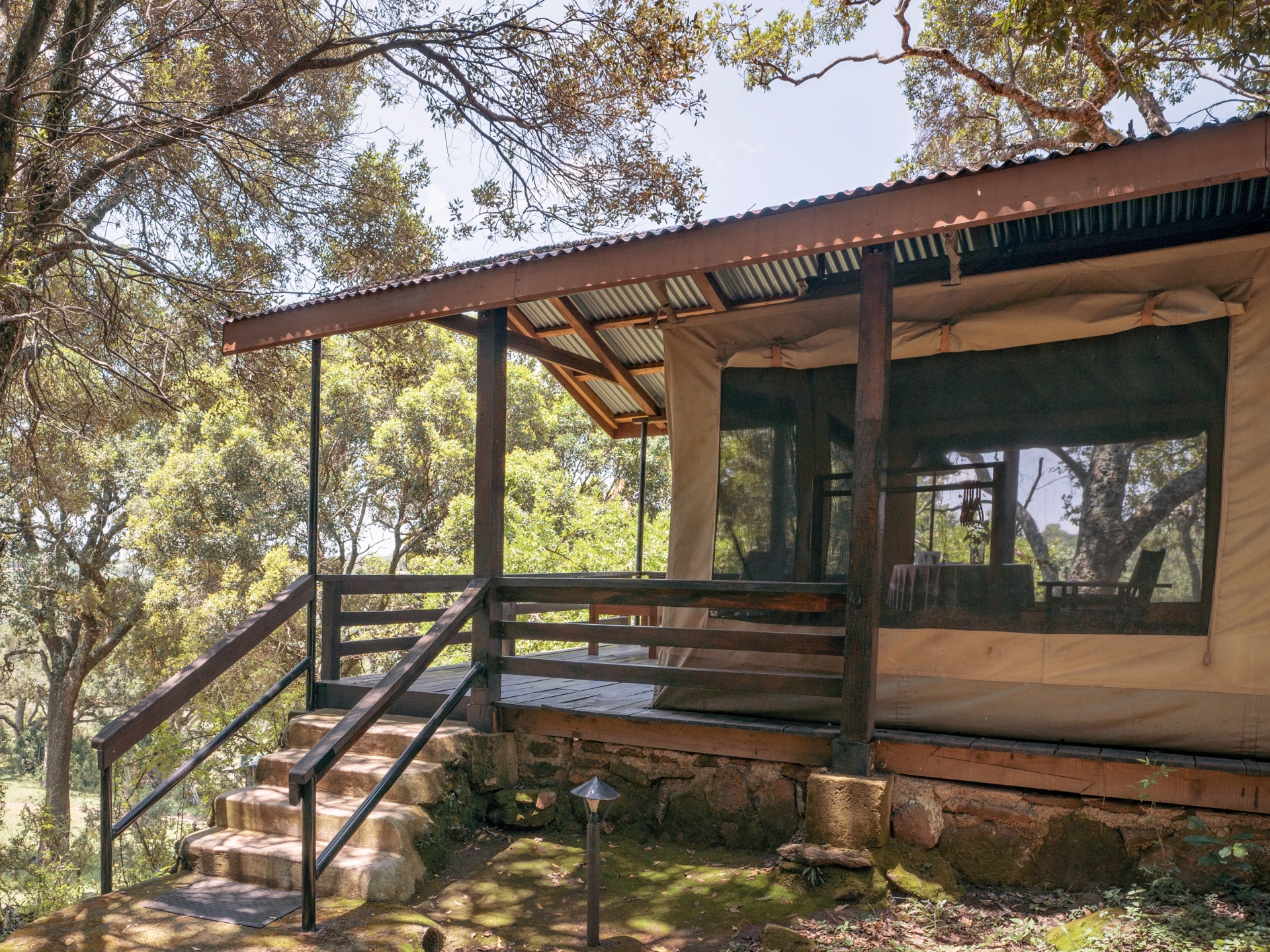
A whole-camp buyout
Every tent in a small camp. At six to ten tents the number is reachable for a large family, and it is the least-known of the four.
The hidden option
A private mobile camp
Built for your arrival, struck after you leave, following a route designed around you. The oldest form, and the most flexible.
What it takes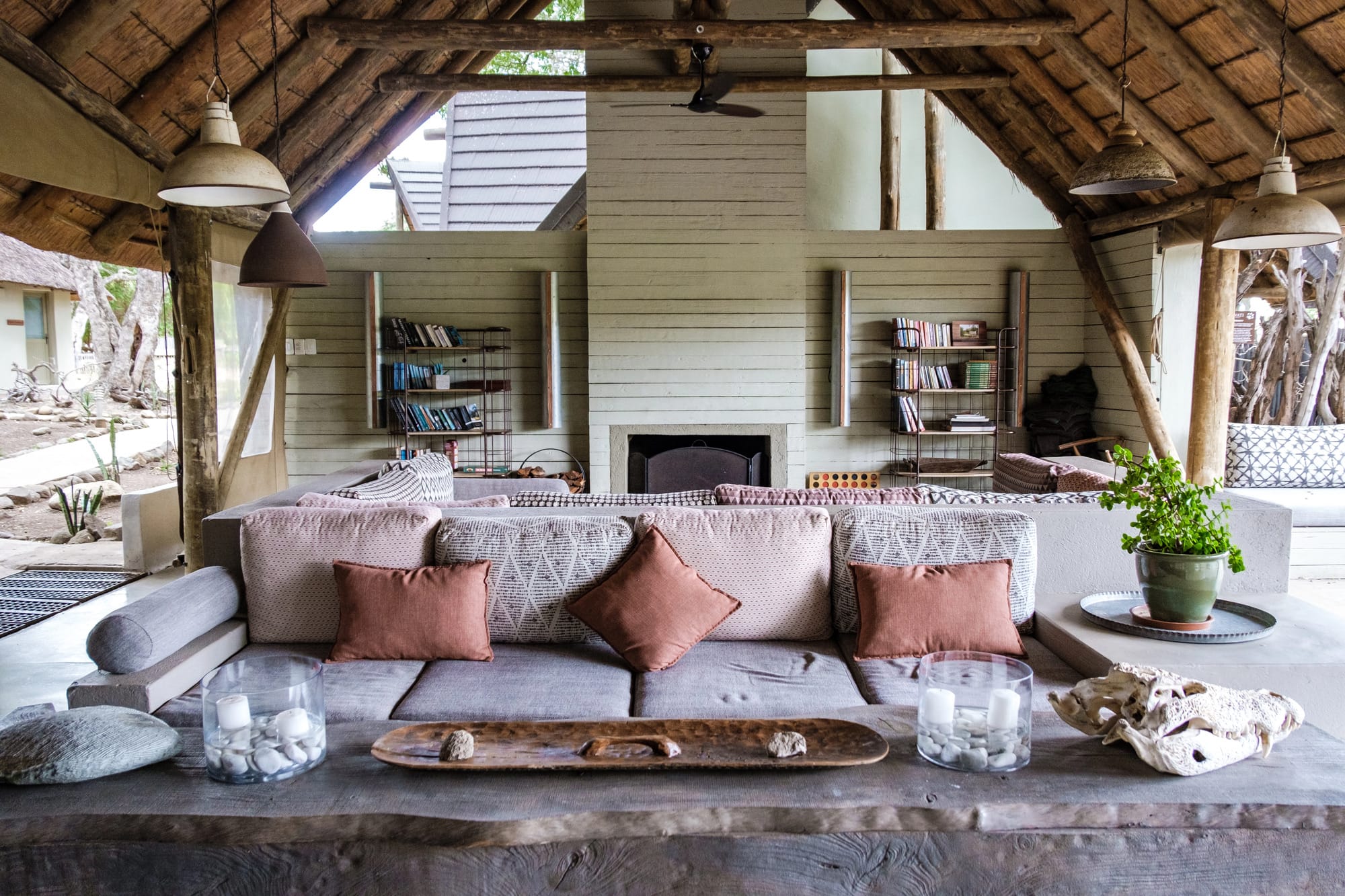
The arithmetic
Where a whole house stops costing more than six separate tents and starts costing less, and what moves the crossover.
Run the numbers
What it solves
Three generations with three body clocks, small children, mixed interests, a milestone. None of it fixed by spending more on rooms.
Who it suits
What it does not buy
Better wildlife. The animals do not know how the beds were booked, and a private house on ordinary land is still ordinary land.
The limitsThe real product
You are not buying privacy. You are buying the timetable.
People assume exclusive use is about not seeing strangers, and for most parties that turns out to be the least valuable part of it.
What it actually buys is that every decision belongs to your group. The vehicle leaves when you say. Lunch happens when the children are hungry. One of you goes out at five and the other appears at nine, and nobody negotiates.
That is why it solves problems that no amount of upgrading solves. Three generations have three body clocks, and a camp — however good — has one.
- Grandparents at seven, parents at nine, teenagers at noon
- A vehicle that can come back early without ending anyone else’s afternoon
- A chef cooking to your household rather than to a menu
- No minimum age, in most cases, because there are no other guests
Free download
Taking The Whole Thing
The arithmetic almost nobody runs: where a whole house stops costing more than six separate tents, and starts costing less.
- Why exclusivity prices differently
- A private house
- A whole-camp buyout
- A private mobile camp
- A private concession
- Where each one crosses over
- The problems it actually solves
- What it does not buy
- Minimum stays, seasons and the practical terms
No cost, no obligation. We ask for an email so we can send it and, if you want it, follow up once.
Before you ask
Questions about exclusive use
At what party size does a private house become cheaper?
Usually around six, and comfortably by eight. A house is priced whole, so the per-head cost falls as the party grows, and above eight it is frequently a clear saving on the same people in individual tents — while also buying a private vehicle, a dedicated guide and a chef.
Below about six the arithmetic stops working, and a small camp with a private vehicle buys more safari for the money.
Can you really buy out a whole camp?
Yes, and it is the least-known of the four options. A camp of six to ten tents is a reachable number for a large family or a group of friends, particularly outside peak months.
It is worth asking about explicitly, because it is rarely offered unprompted — most camps quote rooms unless somebody asks for the whole thing.
Does exclusive use mean better wildlife?
No, and we would rather say so. The animals do not know how the beds were booked. A private house on ordinary land is still ordinary land, and the tenure underneath decides walking, night drives and vehicle numbers exactly as it would otherwise.
What it buys is control of the schedule, which is genuinely valuable and is a different thing.
How far ahead do we need to book?
Further than for camps, because there is exactly one of each house. For school holidays a year ahead is not early, and Christmas and New Year go first and usually carry longer minimum stays.
Private mobile camps are the flexible exception — the camp is built rather than allocated, so the constraint is crew and equipment rather than a room.
Who actually arranges my safari?
This site is a planning guide. When you send an enquiry it goes to Nomad Africa, our partner travel agency in Kenya, who prepare your itinerary and quote and handle the booking, the payments and you on the ground.
You deal with one team from the first email to the airport transfer home.
Start planning
Tell us how many of you there are
That one number decides most of this. We will price exclusive-use options against the same party in separate rooms, so you can see the crossover rather than assume it.
Our Africa specialist replies within 24 hours with both, itemised.
- Exclusive use priced against the equivalent in rooms
- Whole-camp buyouts included, which most quotes leave out
- Minimum stays and seasonal terms stated up front
- No deposit to see a plan, and no obligation at any point
Who answers
Nomad Africa, our partner travel agency in Nairobi, builds and prices every itinerary we send. You deal with one team, on the ground, for the whole trip.
Founded in 2017 as East Africa’s only dedicated travel magazine, Nomad still publishes — so the people planning your trip are the ones who write about these places for a living.
Get your tailored itinerary and quote
Our Africa specialist replies within 24 hours with a costed plan built around your dates.
More from our Africa guides
Specialist guides across our Africa network
Each of these is a focused guide we publish. Same Africa specialist behind every enquiry.